

Ann Arbor Between the Trees
Ann Arbor makes more sense once you stop treating downtown as its center.
Begin instead on North Campus, where the university spreads across higher, quieter ground north of the Huron River. The scale is different here. Buildings stand farther apart. Lawns widen. Mature trees soften the edges of postwar architecture. By October, when maples begin carrying most of the color, the campus feels less like an extension of the city than a separate landscape built into it.
At the center of the Grove, Lurie Tower rises above the trees. Designed by Charles Moore and Arthur Anderson and completed in 1996, the tower contains a 60-bell carillon. It is monumental without being particularly imposing; from a distance, branches repeatedly interrupt the architecture. That relationship—buildings appearing through trees, then disappearing behind them—is a useful introduction to Ann Arbor.
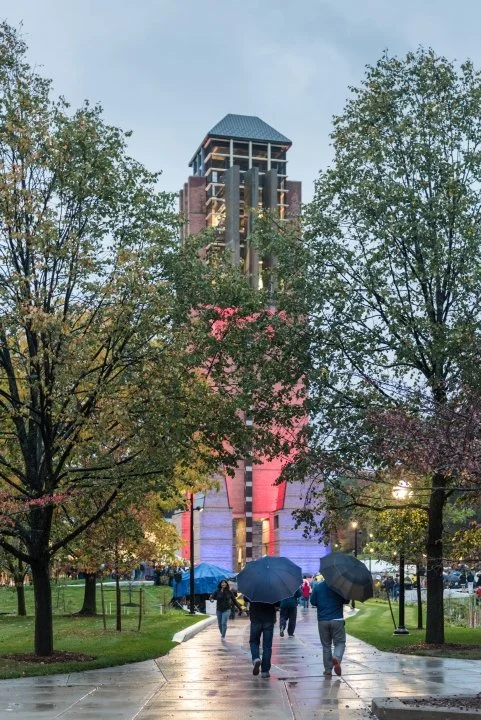
Lurie Tower through the autumn canopy on North Campus. Photograph: University of Michigan.
The city is often described through the University of Michigan, but the more interesting story is how frequently the institution gives way to landscape. From North Campus, roads descend toward the Huron. On the other side of the river, the university becomes older and denser, and the distance between campus and neighborhood begins to collapse.
That transition is clearest at Nichols Arboretum.
The Arb occupies 123 acres along the Huron beside Central Campus. There are gardens here, but its defining quality is topographic: wooded slopes and ravines falling toward the river, with paths that make the city seem farther away than it is. In October, the walk is less about finding a particular viewpoint than watching the landscape change underfoot—open ground becoming woodland, dry leaves gathering on the trail, the river eventually appearing through the trees.
Allow time for the descent and return. Ninety minutes is more useful than a hurried circuit. The Arb is open from sunrise to sunset and admission is free; parking immediately around it is limited, so arriving on foot or using local transit often suits the experience better than trying to position a car at the entrance.
This is where Ann Arbor's fall character becomes more than seasonal decoration. The trees are part of the city's structure. They divide neighborhoods, cover the ravines, surround university buildings and repeatedly obscure long views. October makes those layers easier to read.
Coming out of the Arb toward Central Campus produces another shift. Streets tighten. Pedestrian traffic increases. Academic buildings accumulate rather than float in open space. Ann Arbor begins behaving more recognizably like a college town, but there is little reason to make that identity the entire trip. The pleasure lies in moving through it rather than assembling a checklist from it.
Continue north and the institutional scale loosens again.
Kerrytown sits just beyond downtown in one of the older parts of Ann Arbor. Its historic buildings were adapted into markets and shops beginning in the late 1960s, and brick, exposed timber and compact storefronts give the district a noticeably smaller grain than the university nearby.
Saturday morning is the useful moment. Kerrytown Market & Shops opens at 9, and the neighborhood can be experienced alongside the rhythms that still give it purpose rather than simply as a collection of stores. Individual businesses keep their own schedules, so it is worth checking anything specific before going.
By late afternoon, there is no particular need to keep moving.
That may be the most important adjustment to make in Ann Arbor. The density of museums, performances, restaurants, university buildings and shops encourages itinerary-making, but the city improves when some of that possibility is ignored. A walk along older residential blocks, another hour near the river, or an early return through Kerrytown can tell you more about the place than another attraction fitted between reservations.
Autumn also requires one practical decision before almost anything else: check the football schedule.
A Michigan home game changes the scale of Ann Arbor dramatically. Streets, parking, hotel demand and the tempo of downtown all respond to Michigan Stadium. That energy is part of the city's identity, but it produces a different trip from the quieter one described here.
In 2026, October offers an unusually good opening. Michigan plays at Minnesota on October 3, has no football game October 10, then hosts Penn State for Homecoming on October 17 and Indiana on October 24 before traveling to Rutgers on October 31.
For this version of Ann Arbor, October 9–11 is the cleanest weekend. It arrives deep enough into the season for cooler evenings and changing leaves while avoiding a home football Saturday. That distinction matters more here than squeezing the trip into a theoretical peak-color date.
Two nights are enough. Three allow the city to become looser still.
Pack for temperature changes rather than a single forecast. October mornings can encourage a jacket that feels unnecessary by afternoon, and wooded paths remain damp longer than downtown sidewalks. Comfortable shoes matter more than elaborate plans. Leave some daylight for the Arb and some unassigned time for walking.
The original Traverwood anchor on the northeast side ultimately provides the right way into the city: not through Main Street, but through its quieter edge. From there Ann Arbor unfolds gradually—North Campus above the river, woods below it, older campus beyond, then Kerrytown at a neighborhood scale.
The sequence matters because no single part explains the place particularly well.
Ann Arbor is the movement between them.
Bells through trees. A trail dropping toward the Huron. Brick storefronts before dusk. October light disappearing a little earlier than expected.
Roughly 242 miles. Traffic around Chicago and the Indiana corridor can materially change the trip.
Chicago Union Station to Ann Arbor on the direct rail corridor; schedules vary by date.
October 9–11, 2026 is especially well placed.
Keep the road secondary to Ann Arbor. These are compact stops on the practical Chicago–Ann Arbor route: one useful food break on the way east, and one shoreline reset before returning to the city.
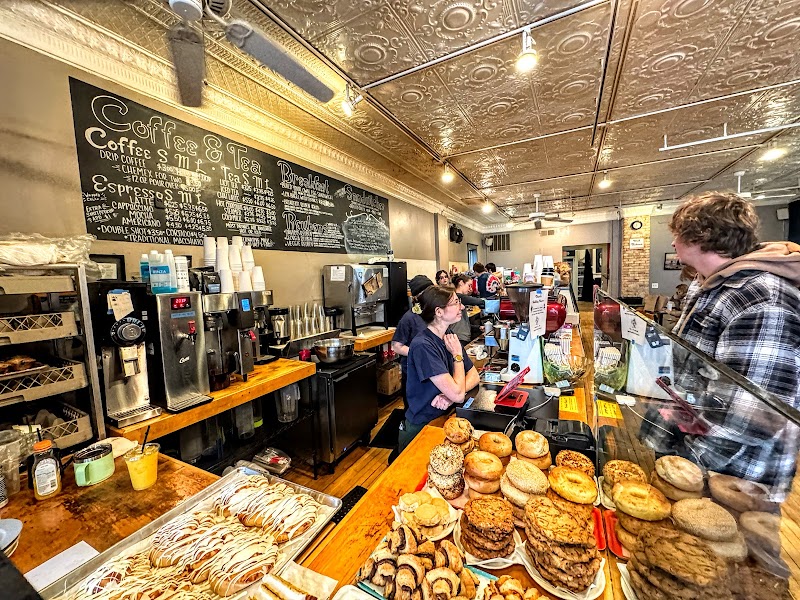
David's Delicatessen & Coffee
New Buffalo sits just off I-94, making this a useful early food stop rather than a second destination. David's is locally scaled and daytime-oriented: coffee, breakfast sandwiches, house-baked pastries, and Reubens in a narrow downtown storefront.
Allow: about 35–50 minutes. Hours are Eastern Time: Friday 7:30 a.m.–3 p.m.; Saturday and Sunday 8 a.m.–3 p.m. Closed Tuesday.
Official site→30 N Whittaker St→

West Beach, Indiana Dunes National Park
Save the landscape stop for the return. West Beach is reached naturally from the I-94 corridor, and the 0.9-mile Dune Succession Trail gives the drive a clear break: stairs through dune habitat, then Lake Michigan before the final approach to Chicago.
Allow: about 45–60 minutes for the short loop. West Beach is open daily 6 a.m.–9 p.m. Central Time. A park entrance pass is required; no trail reservation is needed.
National Park Service→376 N County Line Rd→
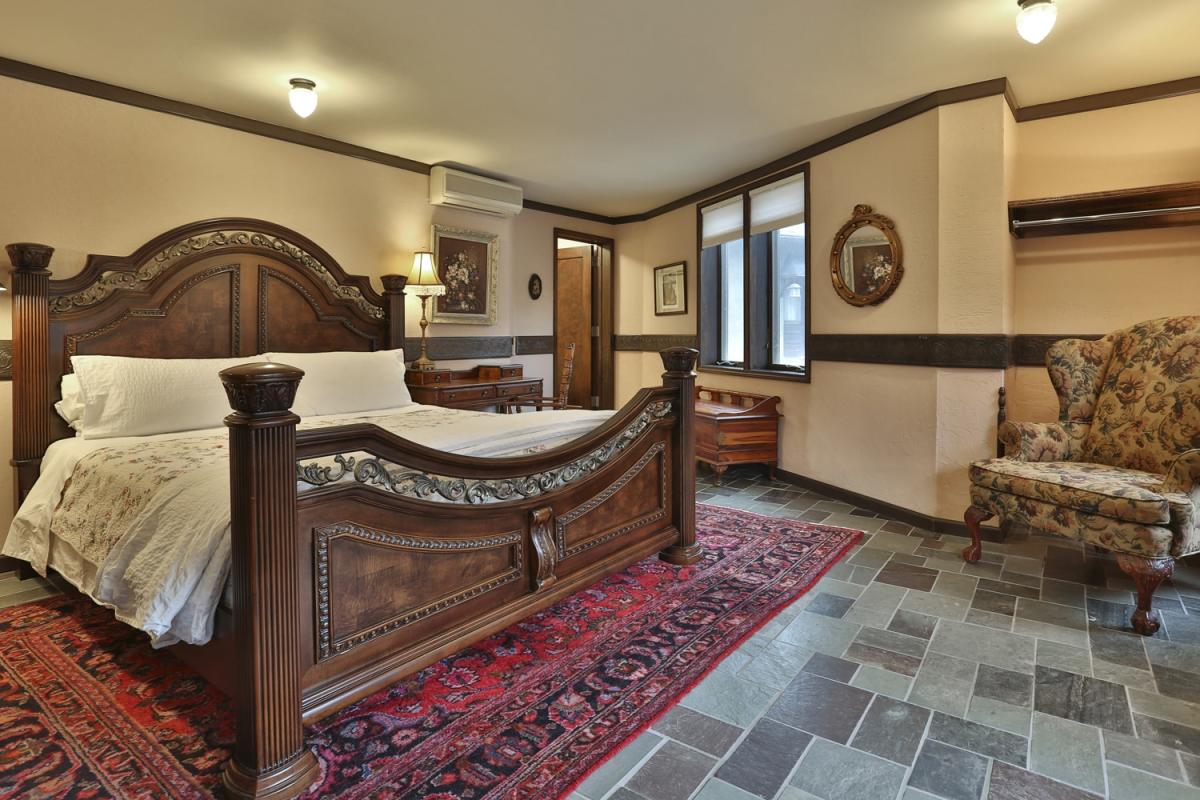
1. Stone Chalet Bed and Breakfast Inn
A 1917 granite house in a residential setting near Central Campus, with historic fabric and a quieter sense of arrival than the downtown hotels.
Best for: Architecture, residential quiet, and a stay with a strong sense of place.
View & Book→
2. Baxter House Bed & Breakfast
A small Kerrytown B&B whose domestic scale, decks, reading corners, and immediate relationship to the neighborhood are its strongest qualities.
Best for: A walkable neighborhood stay near Kerrytown and the farmers market.
View Booking Info→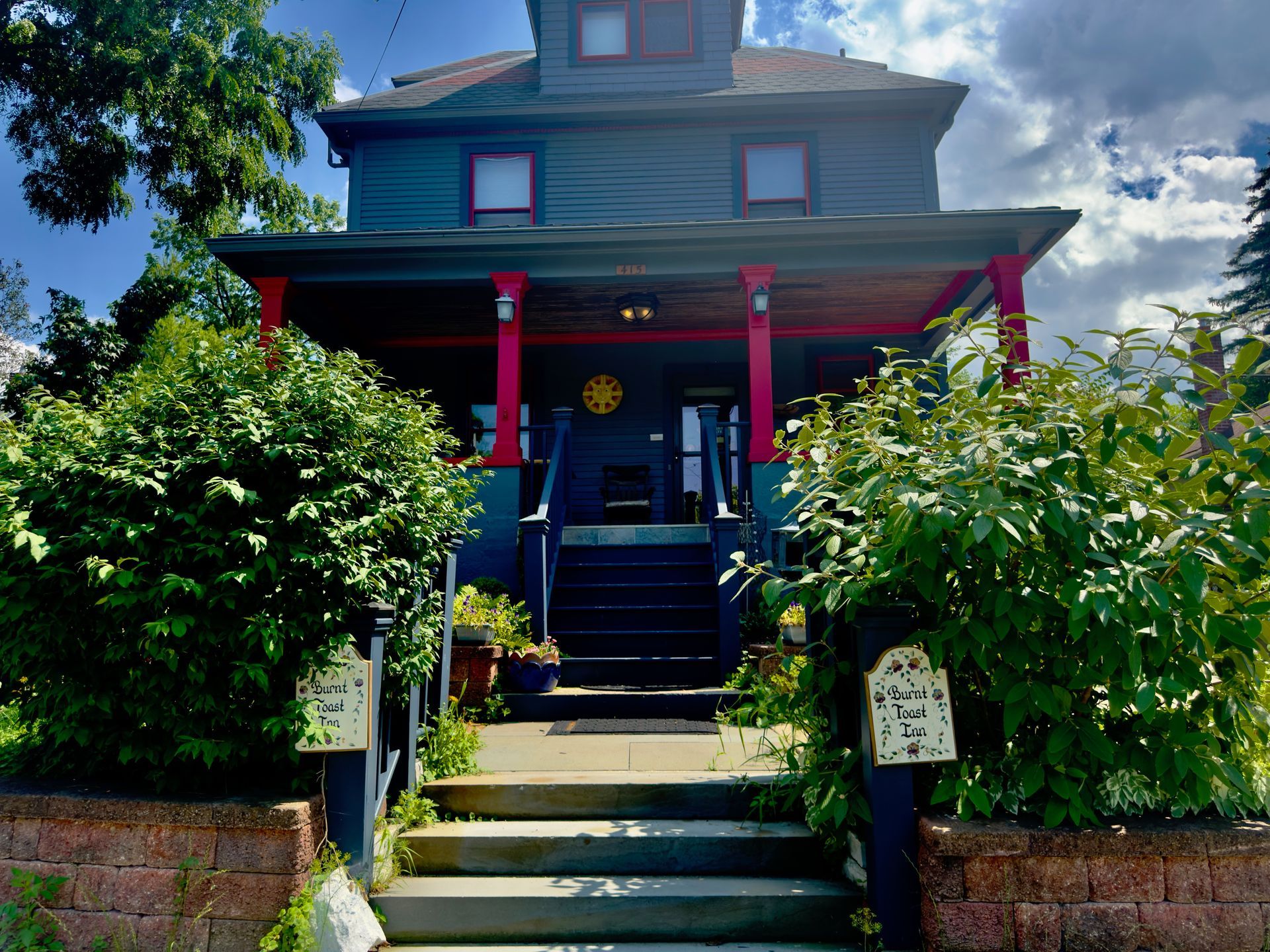
3. Burnt Toast Inn
A family-run five-room inn three blocks west of Main Street, with seasonal breakfasts and an informal Old West Side setting.
Plan ahead: Special-event cancellation rules are stricter; football and graduation dates require more commitment.
Reserve Your Stay→
4. Ann Arbor Bed and Breakfast
A mid-century, home-like B&B at the north edge of Central Campus, well positioned for campus, downtown, and Kerrytown on foot.
Plan ahead: The covered parking entrance is tight; the inn provides one space for each guest.
View & Book→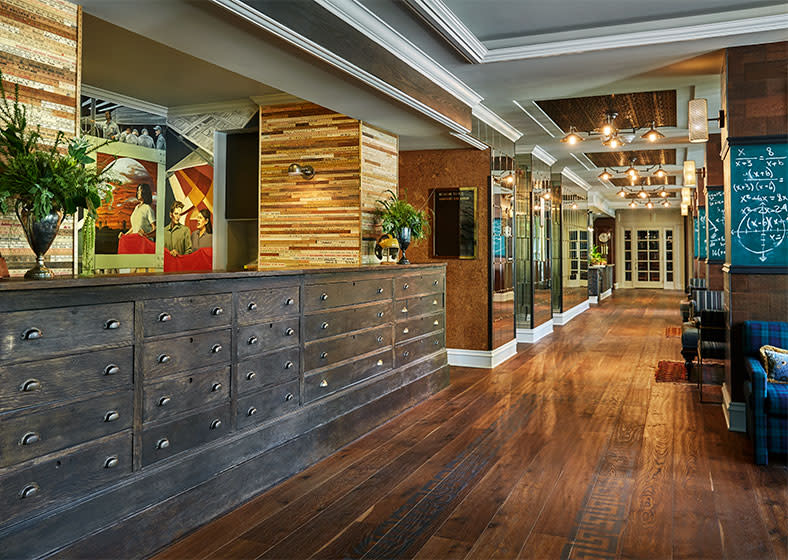
5. Graduate by Hilton Ann Arbor
The larger hotel option in the set, with an Ann Arbor-specific design identity and a position directly across from the university.
Plan ahead: On-site parking is valet only; university and football weekends can change rates and availability sharply.
View & Book→
1. The Earle
A long-running basement dining room for French and Italian country cooking, live music, and an unusually deep wine cellar.
Best for: A long, low-lit dinner when atmosphere matters as much as novelty.
Reserve a Table→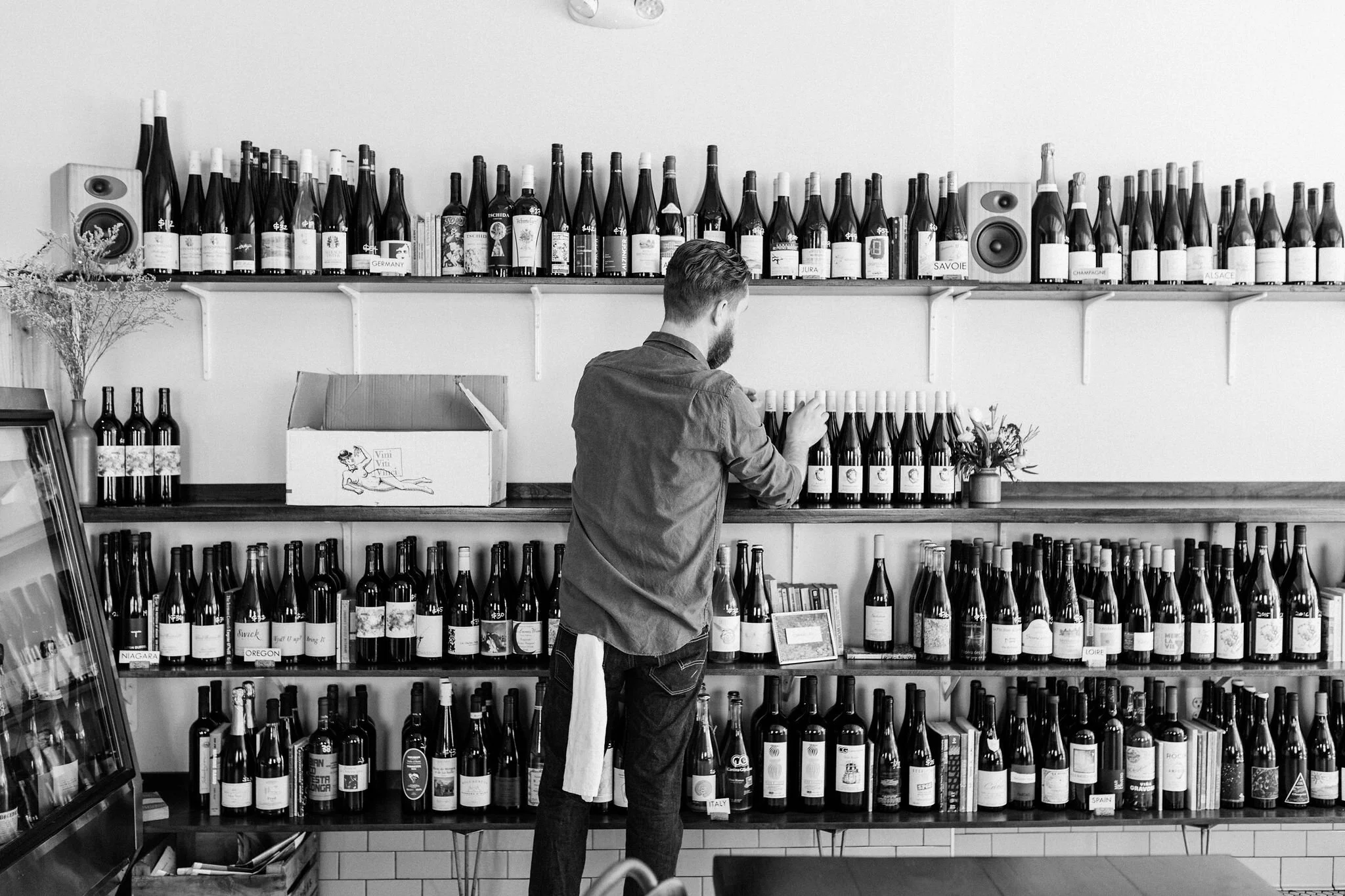
2. Spencer
A small restaurant and wine shop built around a rotating set menu, careful sourcing, and a deliberately bounded evening.
Plan ahead: Dinner is reservation-only through Tock; no dinner walk-ins or telephone reservations.
Reserve Dinner→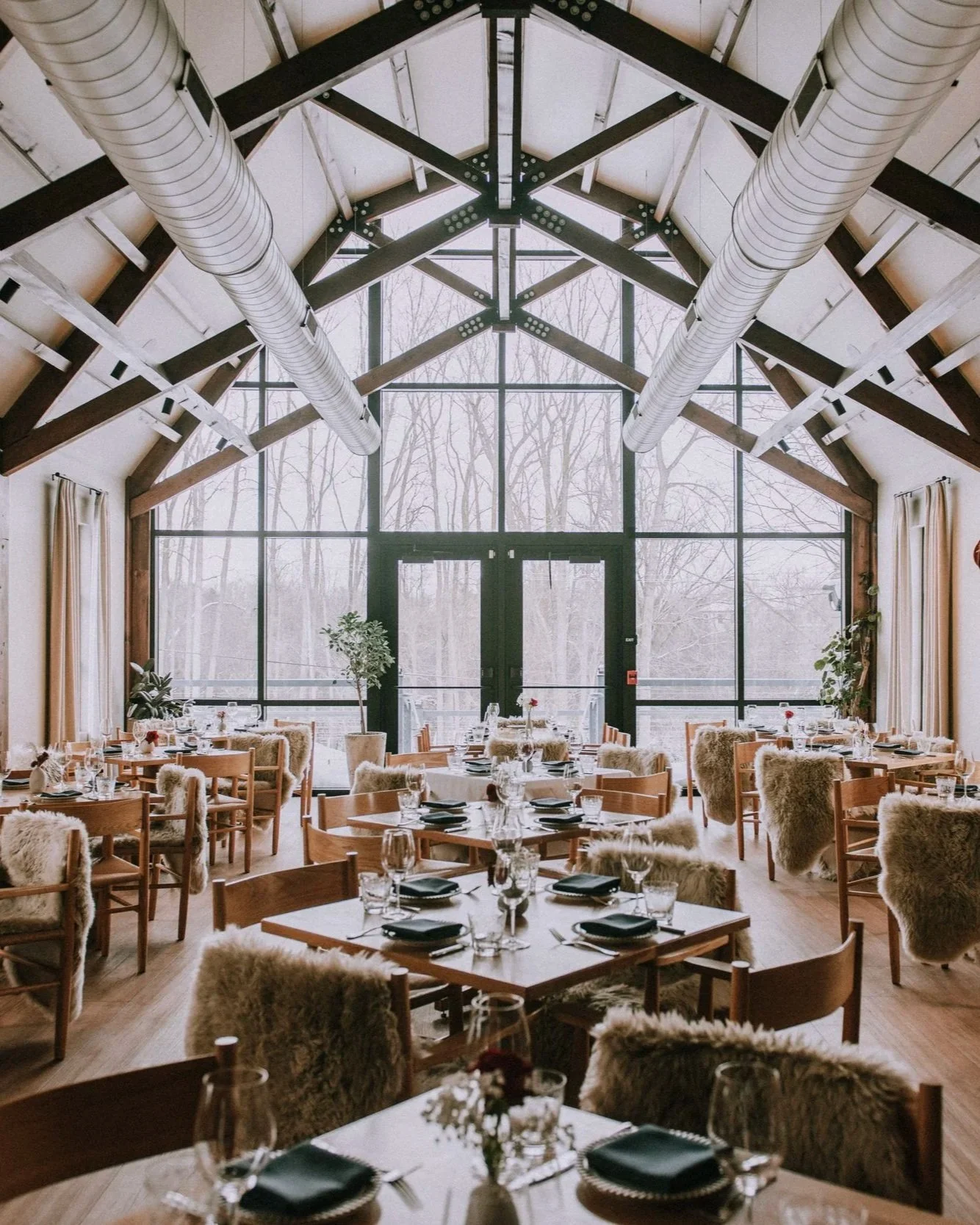
3. Dixboro House
Dinner inside an 1880s barn with original timbers, a gambrel-vaulted ceiling, and a landscape that places the evening apart from downtown.
Best for: Architecture and landscape; driving is the practical choice.
View & Reserve→
4. Miss Kim
Ji Hye Kim's Korean cooking places fermentation and tradition in direct conversation with Michigan farms and the season.
Plan ahead: Indoor tables fill quickly; reservations are encouraged. Closed Tuesdays.
Reserve a Table→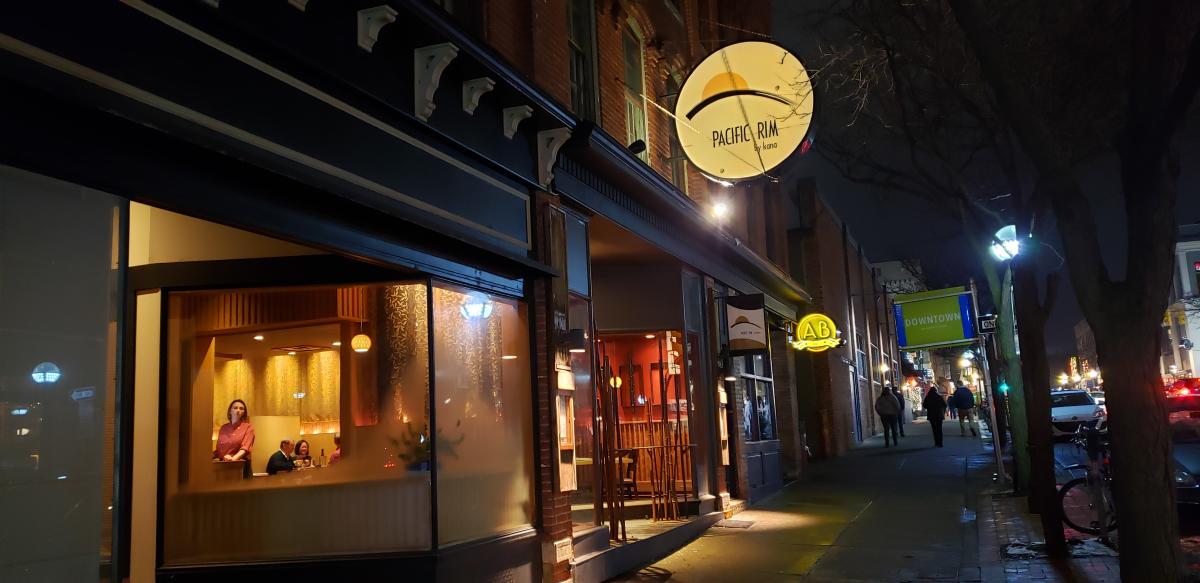
5. Pacific Rim by Kana
Contemporary Asian-American cooking with a local restaurant history reaching back to the Ko family's original Kana in 1982.
Best for: A polished downtown dinner with longstanding local roots and a quieter register.
Reserve a Table→